Easy China Business provides professional turnkey multimodal freight from China to Canada. We combine trans-Pacific ocean freight (via Vancouver/Prince Rupert) with agile road transport and expedited air cargo. Full B2B management: China-side consolidation, port forwarding, customs compliance, and landed cost optimization for Toronto, Montreal, and Calgary markets.
Professional Multimodal Cargo Delivery for the Canadian B2B Market
Integrated multimodal transport from China is a sophisticated logistics framework designed for modern B2B enterprises in Canada. By strategically combining trans-Pacific ocean freight, rapid road transport, and expedited air cargo, businesses in Toronto, Vancouver, Montreal, and beyond can achieve the perfect balance between lead times, freight costs, and operational transparency. This approach ensures your inventory arrives at your facility through the most efficient logistical corridor available.
For enterprises importing from China to Canada, multimodal shipping is the primary solution when traditional single-mode routes fail to meet budgetary or lead-time requirements. Easy China Business manages turnkey multimodal logistics, accounting for cargo specifications, Canadian port intricacies, trans-Pacific maritime risks, and the true landed cost of every consignment once it reaches North American soil.
Why Integrated Logistics is the Definitive Choice for Your Canadian Supply Chain
Choosing a multimodal framework is essential when your business requires more than just a flat rate—you need a managed pipeline with a balance of speed, cost, and risk mitigation. Key benefits for Canadian importers include:
- The ability to design a custom transit pipeline tailored to specific project deadlines and inventory turnover cycles.
- Operational agility: faster than standard ocean freight to inland provinces and more cost-effective than pure air cargo.
- B2B-ready framework: ideal for high-frequency retail restocking, Amazon.ca fulfillment, and complex industrial projects.
- Total milestone oversight: tracking cargo handovers at major Pacific gateways and ensuring the integrity of all transit documentation.
Leading importers often utilize multimodal schemes as a strategic bridge between bulk ocean freight and rapid restocking cycles, creating a resilient logistics model that protects the brand's position in the North American market.
Turnkey Multimodal Services: From China Production to Canadian Warehouse
Partnering with us means outsourcing the entire operational burden of trans-Pacific trade. Our comprehensive B2B workflow covers every transit milestone:
- Technical cargo auditing: verifying dimensions, weight, density, and export licensure before dispatch.
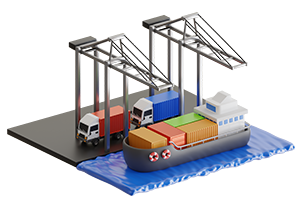
- Strategic mode selection: Ocean + Road via Vancouver, Sea + Air for expedited batches, or other resilient Pacific links.
- Precise financial modeling: all-inclusive quotes covering port fees, terminal handling charges (THC), and Canadian inland delivery.
- Route and hub verification: ensuring smooth transshipment at major gateways like Port of Vancouver or Prince Rupert.
- Compliance verification: auditing export documents and destination market labeling to prevent delays at the border.
- Professional cargo reports: high-resolution photo/video verification of loading status at the factory and consolidated hubs.
- Real-time milestone tracking: complete visibility from the factory floor to final-mile delivery in Toronto, Calgary, or Montreal.
- Comprehensive delivery support to any commercial address or fulfillment center across Canada.
This managed approach provides B2B clients with lead-time predictability and total cargo security during global transit.
Analyzing the Components of Multimodal Freight Pricing for Canada
The total investment for multimodal delivery from China is influenced by the entire route architecture rather than a single tariff point. The final budget is determined by:
- Primary transport mix: integration of Ocean, Road, or Air segments based on urgency and margin requirements.
- Cargo metrics: chargeable weight, total volume (CBM), density, and carton count for accurate freight class application.
- Hub selection: port pairs in China and arrival gateways on the Canadian West Coast versus East Coast hubs.
- Seasonal market fluctuations, trans-Pacific line capacity, and current global carrier surcharges.
- Local operational costs: PRC warehouse handling, Canadian port handling charges, and terminal fees.
- Documentary costs: expert preparation of shipping papers and support for official import compliance.
Supply Chain Resilience and Trans-Pacific Route Management
Multimodal logistics from China is dependent on the stability of global corridors and the availability of North American infrastructure. During periods of regional instability, port congestion, or rail bottlenecks in Canada, we proactively adapt your logistics plan to protect your supply chain. We take full responsibility for managing documentary constraints and controlling unforeseen expenses at transit handovers, ensuring your inventory arrives through a managed and optimized pipeline.
Why Industry Leaders Choose Easy China Business for Canada Logistics
- Fixed Financials: we provide real landed costs with zero hidden destination markups or surcharges.
- Project Agility: customized mode combinations based on your specific budget and time-to-market targets.
- Operational Rigor: meticulous oversight of cargo transfers and international documentation at every milestone.
- B2B Expertise: we align our logistics with your overall inventory strategy to protect your margins.
Transform your China sourcing into a predictable and profitable business framework. Request a professional multimodal freight estimate for your project today!

 sea + road
  for B2B